 Ir al contenido

Here’s the thing. I was fiddling with a browser tab and a mint page last week when something clicked. Whoa, seriously? My instinct said the web experience for Solana wallets still felt fragmentary, even after all the progress. Initially I thought the answer was «use the extension and call it a day», but then I realized there are real reasons someone would want a dedicated web wallet flow — especially for collectors and creators who care about UX and security together.
Okay, quick context. Solana moved fast, and so did the NFT market on it. The tooling matured, but user churn stayed high for newcomers who hit permission prompts and unfamiliar wallet flows. On one hand the extension model is slick and low-friction, though actually—wait—there are gaps when you need a web-first experience for demos, embedded checkouts, or custodial-lite flows. My gut said: build features where users already are — in the browser window — not buried in extension menus.
Here’s the practical bit. A web version of a wallet can be thought of as a layer on top of the wallet app model, offering session-based interactions and a more guided signing UX. Seriously? Yes. It can streamline onboarding for people who haven’t installed extensions, and provide fallback flows for mobile-only users who are using mobile browsers. There’s some nuance: web wallets must protect private keys, handle permissions carefully, and avoid overpromising the same trust model as a local extension or hardware key.
So what does that look like in practice? Imagine a web flow that lets users connect, preview NFTs, and sign transactions with clear prompts. Hmm… my first impression was a little skeptical, but then I tried a prototype where the signing UI explained each step in plain English. It reduced accidental approvals. On the other hand, you still need robust anti-phishing signals and user education — very very important — because the web surface is both convenient and vulnerable.
Let’s get concrete about Phantom. The team behind the phantom wallet popularized a clean UX for Solana, and a web-native companion makes sense for a lot of flows. I’m biased, but I’ve spent time pushing UX iterations for wallets and the main friction is always trust and clarity. Something felt off about debug-heavy RPC error messages — users don’t care about stack traces, they want «Try again» or «Contact support». Initially I wanted to fix errors at the RPC layer, but actually the UX wrapper often resolves the confusion faster.
Architecture matters. Short sentence: Keep keys isolated. Medium: For a web wallet you typically manage keys in a secure enclave or use ephemeral keys paired with a persistent signing authority. Long: That structure lets you rotate session keys frequently and reduce the blast radius if an attacker gets one small token, though you still need airtight server-side checks and transaction whitelisting to avoid replay or malformed-signature attacks.
Here’s a real workflow that works well. First: create account or import via seed phrase using a guided process that uses plain language and progressive disclosure. Second: use session keys for routine browsing and previewing NFTs, then require reauthentication or a stronger signature for any transfer or mint. Third: show a readable transaction summary, with the dApp origin, exact token changes, and optional gas estimate. My instinct said keep it as simple as possible; users repeatedly told me they wanted «What am I signing?» in big letters.
Security trade-offs are where things get interesting. Short: Don’t overpromise. Medium: A web-only wallet can’t match a hardware wallet’s security; long: however, it can reduce phishing risk by providing domain-bound approvals, origin binding, and heuristics to detect suspicious contract calls, while also allowing users to lock sensitive functions behind stronger auth like biometrics or WebAuthn, which balances security and usability for many users.
For NFTs on Solana specifically, there are some domain-specific considerations. The token metadata standard can be complex and sometimes includes off-chain URIs that point to images or JSON, so the wallet should surface provenance and cached snapshots. Hmm… when I first saw a collection with swapped metadata, something felt off — my instinct screamed «fake», and users need cues to trust authenticity. Tools that show verified creators, recent transaction history, and on-chain mint records help a lot.
Gas and fees are another angle. Short: Fees are cheap but not zero. Medium: A web wallet can estimate lamports for a transaction and display that clearly, and can incorporate fee relayers or sponsored transactions for onboarding flows. Long: For dApps that want to hide complexity during onboarding, relayers can bootstrap the first few interactions, then transition the user into a normal fee model once they’re comfortable, which reduces churn but requires careful anti-abuse measures.
Developer ergonomics deserve attention. Short: APIs must be simple. Medium: A browser wallet should expose intuitive methods to request signatures, to query the connected account, and to listen for disconnects. Long: If those APIs are predictable and well-documented, dApp developers will adopt them quickly, but broken or inconsistent APIs drive devs back to vendor-specific hacks and poor UX for end users.
Now, some hard-earned lessons. First, never hide the origin of a request. Users want to know which site is asking them to sign. Second, progressive permissioning wins: ask for the least privilege first and escalate only when needed. Third, the onboarding copy matters — plain language beats cute metaphors. I’ll be honest: sometimes the onboarding copy is the only barrier between a confused user and a completed mint.
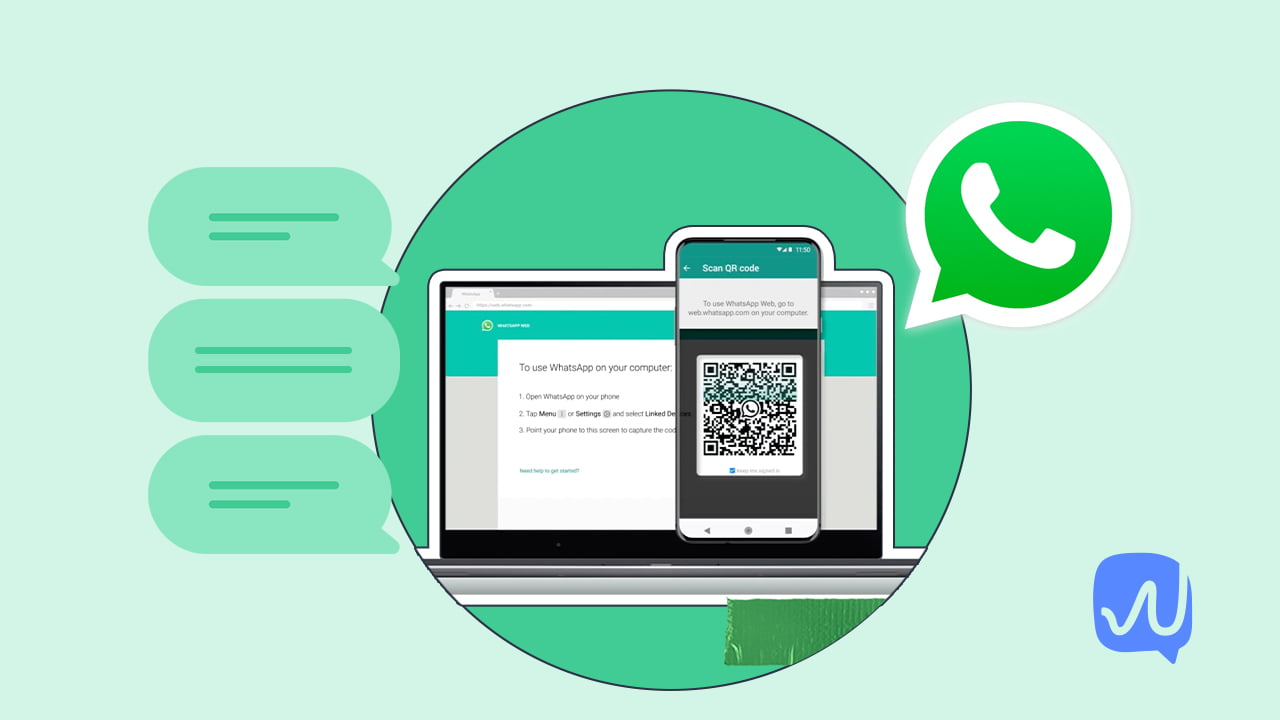
Here’s a short case study. I watched a friend in NYC try to mint an NFT during a coffee run; she didn’t have an extension, and the site asked her to scan a QR for mobile. That worked, but the flow dropped the context and she lost the item in the cart. Something small — like a session persistence checkbox — would have saved the mint. On the flip side, when I tested a web wallet that maintained state and used a temporary session key for initial interactions, conversion jumped noticeably. So usability improvements directly impact retention and revenue.
Design patterns that help: show a step-by-step signing modal, allow metachain previews (e.g., what the token looks like), and provide a «safety check» screen for unknown contracts. Honestly, that last part bugs me because many wallets treat contract calls like black boxes. I’m not 100% sure of a perfect solution, but readably summarizing what a contract will do — transfer tokens, call a program, change authority — is practical and effective.
Integration tips for dApp builders. Short: Graceful fallback matters. Medium: Detect whether the user has a web wallet, a browser extension, or only mobile and adapt UI accordingly. Long: Offer progressive enhancement — start with a read-only preview for non-connected users, guide them to connect, and if they lack an extension, propose a web session with clear differences explained — this lowers the barrier to participation without sacrificing clarity.
Operational concerns. Short: Logging helps. Medium: But don’t log sensitive keys or seed phrases; instead log only event metrics and anonymized, aggregated data about flow failures. Long: That lets teams iterate on the UX while preserving privacy and minimizing compliance headaches, though you’ll still need to be transparent about what telemetry you collect to build user trust.
Ethical and legal stuff can’t be ignored. Short: Know your region. Medium: Web wallets operating in the US need to consider money transmission laws and AML/KYC implications depending on custody model and transaction patterns. Long: If you act like a custodian—even partially—you may need to follow stricter rules, so many teams design web wallets as non-custodial by default and provide optional custodial features under clear terms to avoid regulatory surprises.
Future directions I care about: better cross-compatibility between mobile and web wallets, clearer NFT provenance tooling in the signer UI, and standardized, auditable permission schemas that let users reason about what a dApp can and cannot do. I’m biased toward open standards because they encourage trust and interoperability, though frankly that slower route sometimes frustrates teams chasing fast product wins.
Okay, final practical checklist for teams building or integrating a web wallet for Solana NFTs: 1) Provide clear, human-readable transaction summaries. 2) Use session keys for browsing and stronger auth for transfers. 3) Show provenance and metadata snapshots for NFT assets. 4) Offer relayer options for onboarding but make fee mechanics explicit. 5) Log safe telemetry and be transparent about it. My instinct says these five moves will reduce support tickets and increase conversions.
Quick FAQ
Can a web wallet be as secure as an extension?
Short answer: no, not in the same way. A web wallet can approach similar levels of safety by using secure enclaves, WebAuthn, session key rotation, and strict origin binding, but hardware wallets and browser extensions that keep keys locally isolated still have an edge for high-value assets.
Will using a web wallet affect my NFT metadata or provenance?
Not directly. The wallet should display on-chain metadata and fetched off-chain resources, but it doesn’t change provenance. That said, the wallet can offer helpful caching and verification checks that make it easier to spot mismatched metadata or suspicious URIs.
Is there a trusted web wallet I can try right now?
Yes—if you want a clean, web-first experience paired with a familiar Solana UX, try the phantom wallet web flow. It demonstrates many of these principles and is a good baseline for understanding how web wallets feel in real use.