 Ir al contenido

Okay, so check this out—I’ve been poking around on Solana for years now. Wow! The network moves fast. My instinct said we were missing clarity early on. Initially I thought on-chain data was straightforward, but then realized the tools matter way more than the raw numbers.
Whoa! Back when I first started, block explorers felt clunky and slow. Medium-term perspective: explorers shape user trust. Seriously? Yes — a clean UI can make or break a project launch. On one hand the chain is fast and cheap, though actually the analytics layer often lags behind user needs, which is frustrating and a bit wild.
Really? NFT tracking used to be guesswork. Hmm… now it’s slightly better, but still messy somethin’ like patchwork. I’m biased, but good telemetry should be readable by a human and ingestible by a bot. Initially I thought wallet labels were optional, but I learned they are critical for context.
Here’s the thing. When you watch token flows in real time, patterns jump out. Medium sentence length helps pacing here. Longer reads are useful too when you need provenance across many transactions, because sometimes the subtlety is in the sequence rather than single events.
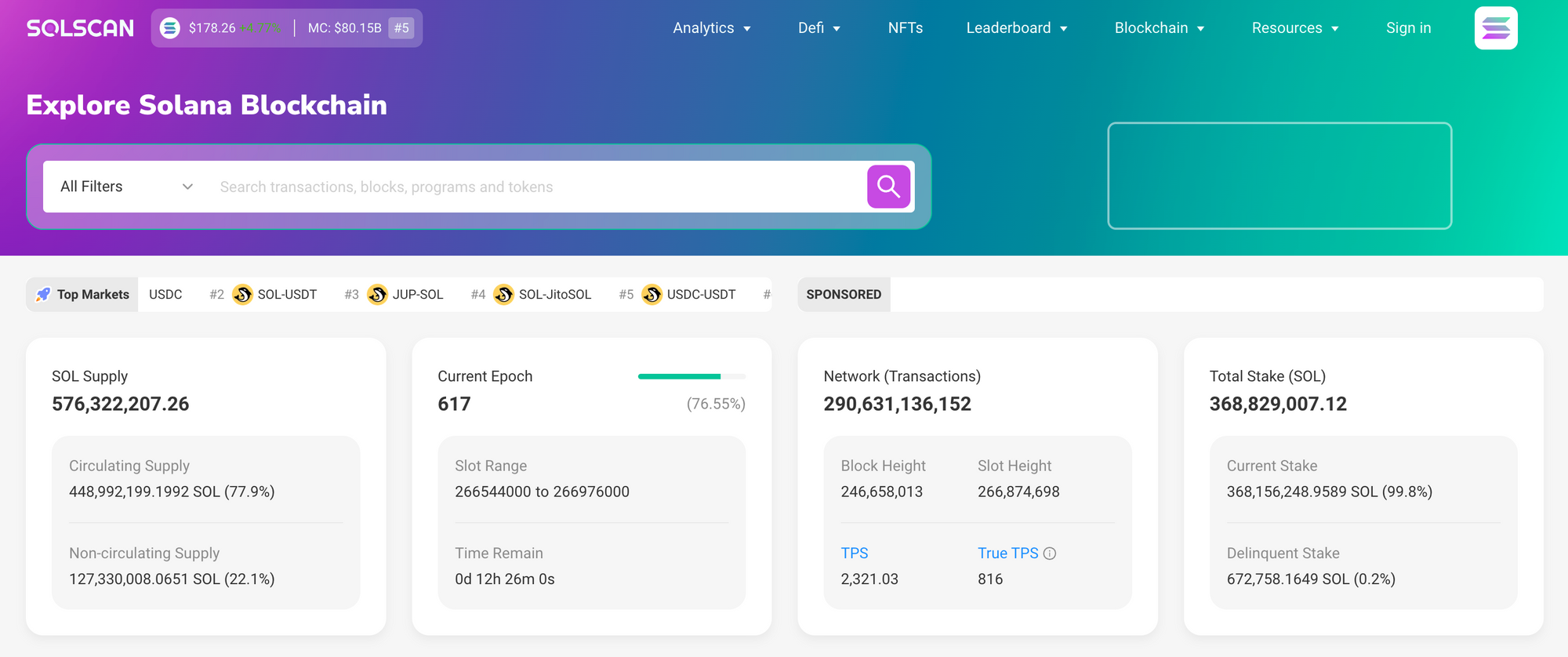
How explorers shape decisions and why solscan matters
Wow! Small features drive big behavior. In practice, indexing choices — like how mint metadata is stored or how SPL token activity is summarized — change which dashboards people trust. My first impression of some explorers was «neat», though actually many omitted heavy-hitter metrics that devs and traders care about. Over time I began mapping what seasoned builders ask for: clear token lifecycles, NFT provenance, fee spikes, and consolidated staking views.
Check this out—I’ve used a handful of interfaces and I keep coming back to one for day-to-day checks. solscan is often right there in my tabs. I’m not saying it’s perfect. I’m saying it gets the basics right in a way that saves time. On the other hand, there are moments when deeper data — like off-chain metadata verification or cross-indexed marketplaces — would change how I advise teams.
Hmm… something felt off about rare-event searches at first. Actually, wait—let me rephrase that: the search worked, but filtering across nested events was clumsy and required extra steps, which is a little annoying when you’re triaging an incident. Long-form analytics help in audits, and good explorers bridge the casual user to those deep dives without leaving them lost.
Wow! For NFT tracking specifically, provenance is king. Medium details matter: mint tx hash, creator addresses, royalty receipts. Sometimes a project will hide critical metadata in off-chain blobs, or the metadata link will rot. That bugs me. My advice to teams: standardize metadata and surface it clearly inside explorer views, because collector trust is fragile and surprisingly easy to lose.
Seriously? Wallet labels save time. A single glance that says «market-maker» or «project wallet» removes hours of sleuthing. I remember a weekend where I chased a whale like it was a mystery novel — turns out it was an automated market-maker bot. That little label would have been priceless.
FAQ
How do I track an NFT across marketplaces?
Start with the mint transaction and token address, then follow token account transfers and verify metadata URIs. Check the transaction history for listings and transfers, and cross-reference marketplace fee recipients when possible. Be aware that off-chain metadata can change, so snapshot important blobs early if you need evidence for a dispute or audit.
Here’s the thing. UX patterns from traditional finance help here — filters, saved queries, alerts. Medium features like watchlists and webhook exports transform an explorer from a lookup tool into a monitoring platform. On one hand explorers are a public ledger’s window, though actually their design choices tell stories about power and attention on-chain, which is more political than people admit.
Whoa! Alerts are underrated. A simple flux alert during a rug-pull could save users a fortune. My instinct said we could do better years ago, and teams are slowly catching up. Long-term, I want explorers that act like good copilots: suggest causes for sudden balance changes, provide likely correlated accounts, and offer easy exports for legal or compliance review.
I’m not 100% sure about every roadmap detail for explorer teams, but here’s a practical checklist I use: index all NFT metadata consistently, tag known wallets, provide program-level analytics, and add user-friendly export formats. That said, no tool is perfect and trade-offs exist between completeness and responsiveness.
Wow! Community contributions help. Medium-sized teams often add the niche views that big teams miss. There’s room for extension points — plugins or user-contributed dashboards — so the ecosystem can iterate. Sometimes I ramble about plugin ideas because my mind races when imagining better tooling.
Okay, so final thought—no, wait, not final—there’s an emotional angle too. Watching a project’s NFT sales go from zero to lively feels great. On the flip side, seeing opaque activity and wondering if something shady is happening sticks with you. This tension is why explorers matter beyond convenience: they shape trust, and trust shapes adoption.